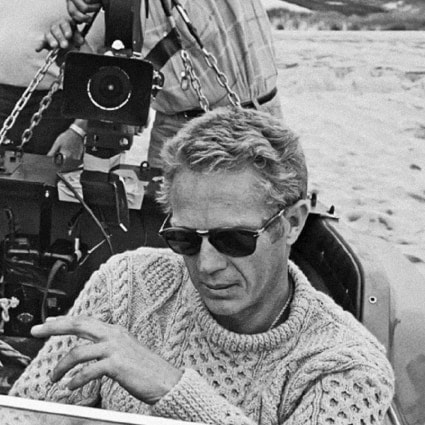
In the chiaroscuro of the cinema, where every gesture is magnified and every glance carries the weight of unspoken words, sunglasses have emerged as silent narrators of character and intent. They are not mere props but rather the dark mirrors reflecting the enigma of those who don them. In the hands of the unsung heroes of film—the costume designers and prop masters—these tinted lenses become instruments of storytelling, as essential to the narrative as the dialogue itself.
Consider the way sunglasses have been used to craft the cinematic image of the antihero. In “Taxi Driver,” Travis Bickle’s aviators are not just a shield against the glare of the city but a barrier between him and the world he navigates with simmering rage. Or take the Wayfarers in “Risky Business,” which transform Tom Cruise’s Joel from high school overachiever to a portrait of cool rebellion with a single slide across the floor.
These accessories do more than accessorize; they serve as a visual shorthand for transformation. In the reflective sheen of their lenses, characters find the courage to become who they must be. The Persol 714s of “The Thomas Crown Affair” are not just a disguise for McQueen’s debonair criminal mastermind; they are a symbol of the thrill he seeks outside the confines of his gilded existence.
Yet, the power of sunglasses in film extends beyond the characters to the audience itself. They are a totem of cool, a badge of style that transcends the silver screen and embeds itself into the fabric of our culture. The Ray-Ban shooters in “Fear and Loathing in Las Vegas” are as much a part of Raoul Duke’s drug-fueled odyssey as the ether he imbibes. They are the rose-tinted windows through which we vicariously experience his descent into madness.
In the pantheon of film, sunglasses are the unsung heroes, the quiet accomplices to the icons they adorn. They are the masks behind which the vulnerable can hide and the powerful can assert their dominance. They are, in their own right, a character—one that speaks without words, transforming the face of cinema one shaded gaze at a time.