A Greenhouse of Memory and Meaning
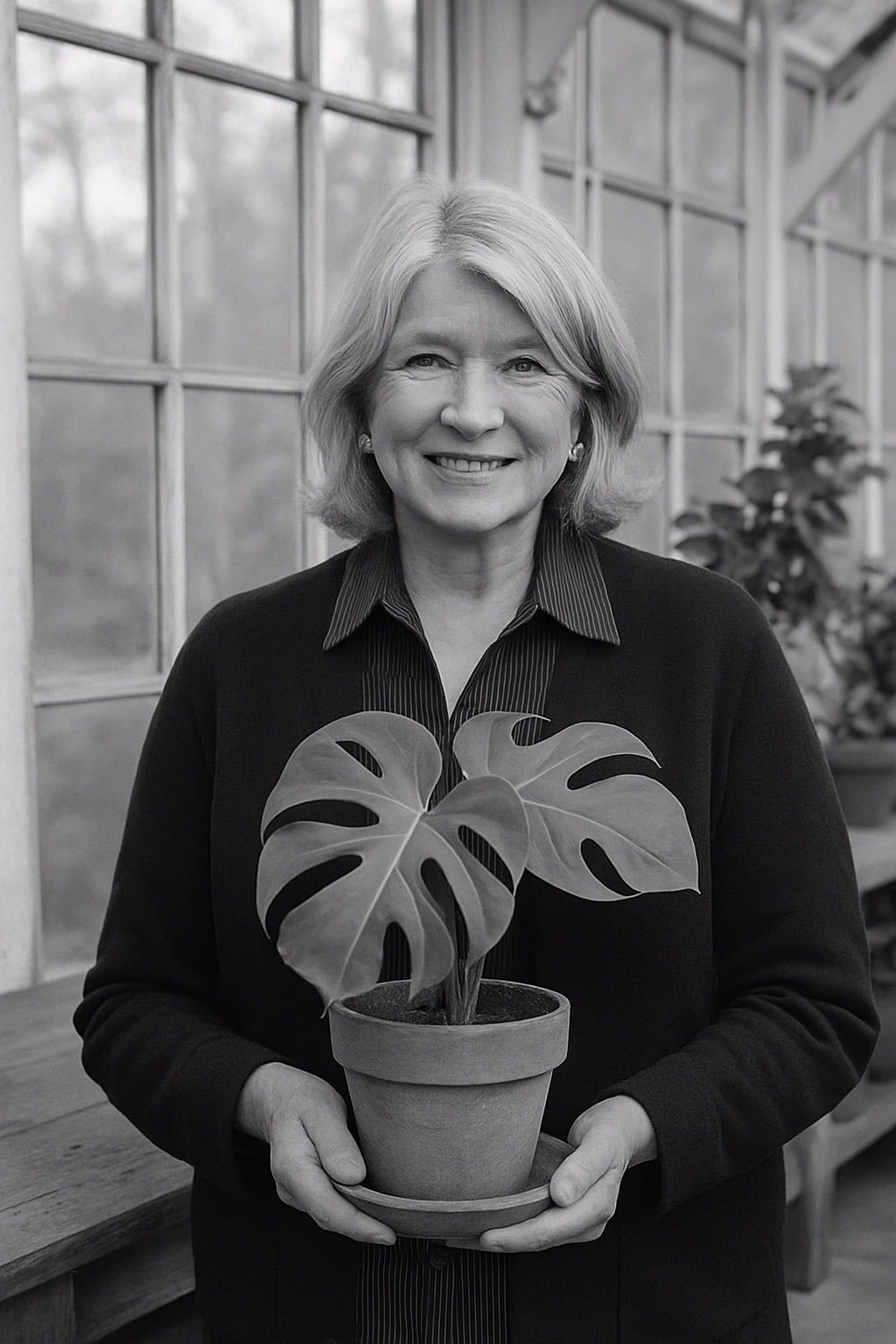
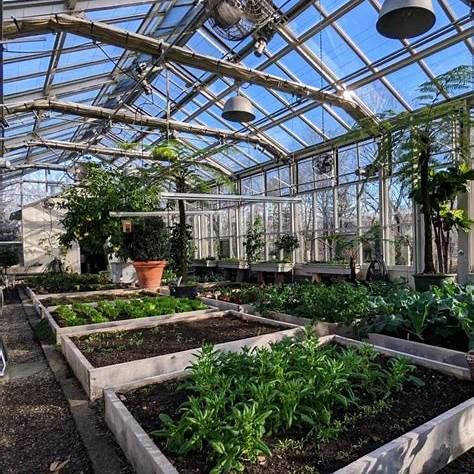
Dawn breaks over Bedford, New York, casting its glow across seven thousand square feet of glass. Inside, Martha Stewart tends to what may be the country’s most eloquent tribute to American horticulture and craftsmanship. Her greenhouse complex is more than a conservatory—it’s a living archive, a space where preservation becomes a philosophy.
Stewart moves through the space with curatorial grace, pausing at a potting bench crafted by Pennsylvania artisans generations ago. Her hand drifts over the wood, not just recognizing its form but honoring its history.
An Illuminated Manuscript of American Craft
The greenhouse unfolds like a manuscript—each room, each object, another line in the story of American ingenuity. Stewart cultivates over 800 plant species, each one meticulously recorded and rooted in history.
In vibrant McCoy pottery—robin’s-egg blue, sun-warmed pink—rare specimens bloom. These aren’t decorative whims; they’re statements. Stewart uses vessels and plants to elevate forgotten forms and celebrate disappearing design languages.
In the Propagation Room: A Living Skill Passed Down
In one corner, the propagation room hums with quiet focus. Stewart demonstrates an age-old grafting technique, the kind passed down through New England orchardists like heirlooms. The knife she uses belonged to a Vermont horticulturist who tended his family’s orchard for six decades.
Each cut made is deliberate. Each splice, a bridge between centuries.
Science Meets Storytelling: The Tissue Culture Lab
The tissue culture lab gleams—stainless steel, sterile lighting, and silent reverence. Here, Stewart maintains living archives of botanical heritage, including descendants of her mother’s 1940s geraniums.
In one luminous corner, a Monstera adansonii ‘Aurea’ weaves across beams reclaimed from an 18th-century Connecticut barn. The plant’s golden variegation glows in morning light, echoing the continuity that pulses throughout the greenhouse.
Preservation Through Technology—and Memory
Stewart’s collection is not limited by time. Heritage roses, grown under advanced LED systems, trace their propagation methods to antique gardening manuals. Rare Philodendrons flourish in soils formulated from recipes handed down by master curators.
It’s modern technology with deep roots.
A Digital Archive, A Living Dictionary
Tucked away is the digital archive room—a glowing cabinet of knowledge. Every plant, every soil mix, every season recorded in detail. The accompanying images, charts, and handwritten notes offer future gardeners an unbroken record of what once grew and why.
Stewart’s Instagram, far from mere social media, reads like a serialized field guide. Her planters, inspired by classic American pottery, bridge commerce with cultural preservation.
Legacy in Bloom: A Moment Between Generations
In the tropical room, Stewart kneels beside her granddaughter, explaining the anatomy of a peony. The child listens, wide-eyed, as the bloom opens in real time. “Understanding how things grow,” Stewart tells her, “helps us understand how to keep them growing.”
Then, a quiet gesture: a cutting from the family’s geraniums—now in their fifth decade. The child receives it like an heirloom.
“You’re becoming part of the story now,” Martha says.
An Archive of Care
As afternoon light shifts and shadows stretch across the greenhouse, the collection reveals its deeper purpose. This isn’t about plants alone. It’s about care, continuity, and the elegance of what endures.
Each pot, bloom, and tool speaks to a broader truth: that what we preserve reveals what we value.